

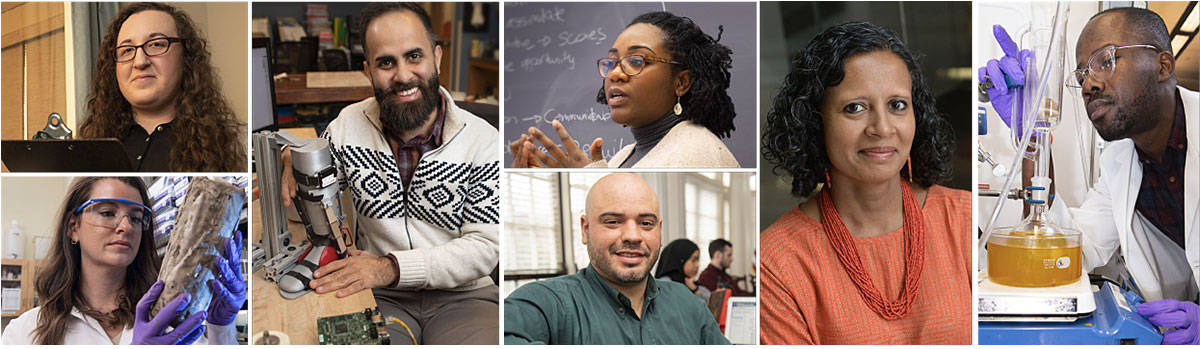
Graduate education is a powerful catalyst, promoting change in individuals, industries and institutions. And the students pursuing these advanced degrees bring their own indispensable power to every discipline — fresh perspectives, new questions and partnerships that add depth and dimension to our understanding of the world.
“Our graduate students come from all over the country and all over the world to solve leading-edge problems with world-class faculty,” said Lou Rossi, dean of UD’s new Graduate College and vice provost for graduate and professional education. “Often they come here to work with a specific person who is the world expert on a problem that they are passionate about. What many graduate students might not realize at first is how vital they are to our research enterprise. It is their passion and energy that — with mentorship and guidance — pave new avenues of discovery. Also, they are often the glue that binds together powerful interdisciplinary collaborations on campus.”
Meet a few of UD’s grad students and see for yourself how they are growing in knowledge and advancing research in many areas.
 [/dica_divi_carouselitem][dica_divi_carouselitem admin_label=”Graduate Education by the Numbers” button_text=”Meet our grad students” button_url=”#liz-coward” button_url_new_window=”1″ image=”https://research.udel.edu/wp-content/uploads/2020/11/grad-stats-final-2.png” dg_hash_id=”grad-numbers” image_position=”image_right” tablet_on_top=”on” image_padding=”|5%||5%|false|false” image_padding_tablet=”||||false|false” image_padding_phone=”|5%||5%|false|false” image_padding_last_edited=”on|phone” content_padding=”40px|0px||100px|false|false” content_padding_tablet=”20px|50px||50px|false|false” content_padding_phone=”10px|25px||25px|false|false” content_padding_last_edited=”on|desktop” custom_padding=”150px||50px||false|false” custom_padding_tablet=”140px||||false|false” custom_padding_phone=”130px||50px||false|false” custom_padding_last_edited=”on|tablet” _builder_version=”4.16″ _module_preset=”default” header_level=”h2″ header_font=”Vanguard Medium|||on|||||” header_text_align=”center” header_font_size=”67px” subtitle_font=”Greycliff|||on|||||” subtitle_text_align=”center” subtitle_font_size=”24px” body_font_size=”17px” body_line_height=”1.4em” background_color=”#ffd200″ background_enable_color=”on” custom_button=”on” button_text_color=”#ffffff” button_use_icon=”on” button_icon=”%%20%%” button_alignment=”center” header_font_size_tablet=”” header_font_size_phone=”49px” header_font_size_last_edited=”on|phone” header_letter_spacing_tablet=”” header_letter_spacing_phone=”-1px” header_letter_spacing_last_edited=”on|phone” subtitle_font_size_tablet=”22px” subtitle_font_size_phone=”16px” subtitle_font_size_last_edited=”on|phone” body_font_size_tablet=”” body_font_size_phone=”15px” body_font_size_last_edited=”on|phone” custom_css_image=”background-color: #ffd200;” global_colors_info=”{}”]
The educational level of adults is on the rise as more college graduates go on to earn master’s, professional and doctoral degrees. The option of seeking an advanced degree has gained momentum in recent decades, and now some observers call the master’s degree the “new bachelor’s degree.” Average earnings are significantly higher for individuals with advanced degrees than for those whose highest degree is a bachelor’s.
Since 2000, the number of people age 25 and over whose highest degree was a master’s has doubled to 21 million. The number of doctoral degree holders has more than doubled to 4.5 million.
We encourage you to explore the graduate statistics compiled by the University of Delaware and provided by Census.gov, UD Graduate College and the National Science Foundation.
 [/dica_divi_carouselitem][dica_divi_carouselitem title=”Liz Coward” sub_title=”Environmental Research” admin_label=”Liz Coward” button_text=”The thing about permafrost is …” button_url=”https://research.udel.edu/2020/12/01/permafrost/” button_url_new_window=”1″ image=”https://research.udel.edu/wp-content/uploads/2020/07/Liz-Coward-Portrait-5.jpg” dg_hash_id=”liz-coward” image_position=”image_left” tablet_on_top=”on” image_padding_tablet=”||||false|false” image_padding_phone=”||||false|false” image_padding_last_edited=”off|phone” content_padding=”190px|10%||10%|false|false” content_padding_tablet=”50px|50px|50px|50px|false|false” content_padding_phone=”30px|25px|25px|25px|false|false” content_padding_last_edited=”on|desktop” custom_padding_tablet=”||||false|false” custom_padding_phone=”||||false|false” custom_padding_last_edited=”off|desktop” _builder_version=”4.19.0″ _module_preset=”default” header_level=”h2″ header_font=”Vanguard Medium|||on|||||” header_text_align=”center” header_font_size=”67px” subtitle_font=”Greycliff|||on|||||” subtitle_text_align=”center” subtitle_font_size=”24px” body_font_size=”17px” body_line_height=”1.4em” background_color=”#ffffff” background_enable_color=”on” custom_button=”on” button_text_size=”20px” button_text_color=”#ffffff” button_border_width=”1px” button_border_radius=”30px” button_font=”||||||||” button_use_icon=”on” button_icon=”%%20%%” button_alignment=”center” link_option_url=”https://research.udel.edu/2020/08/09/permafrost/” header_font_size_tablet=”” header_font_size_phone=”49px” header_font_size_last_edited=”on|phone” header_letter_spacing_tablet=”” header_letter_spacing_phone=”-1px” header_letter_spacing_last_edited=”on|phone” subtitle_font_size_tablet=”22px” subtitle_font_size_phone=”16px” subtitle_font_size_last_edited=”on|phone” body_font_size_tablet=”” body_font_size_phone=”15px” body_font_size_last_edited=”on|phone” button_text_size_tablet=”” button_text_size_phone=”18px” button_text_size_last_edited=”on|phone” global_colors_info=”{}” custom_css_image_last_edited=”on|phone” custom_css_image_tablet=”margin-top: -100px;||” custom_css_image_phone=”margin-top: 0;”]
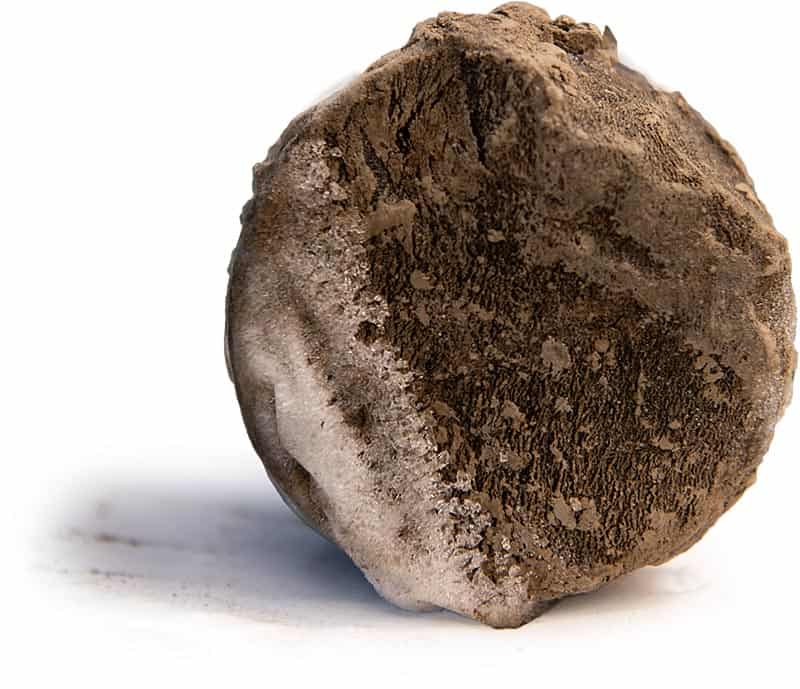
Liz Coward has seen firsthand the sobering impact climate change is having on permafrost in its natural environment. As a postdoctoral researcher in environmental chemistry at the University of Delaware, Coward worked in the lab of Donald Sparks, Unidel S. Hallock du Pont professor of plant and soil sciences and director of the Delaware Environmental Institute, where she studied core samples of permafrost collected from Alaska. Pre-pandemic photo by Kathy Atkinson

 [/dica_divi_carouselitem][dica_divi_carouselitem title=”Elvis Ebikade” sub_title=”Energy Research” admin_label=”Elvis Ebikade” button_text=”Changing the world, one food waste at a time” button_url=”https://research.udel.edu/2020/12/01/changing-the-world/” button_url_new_window=”1″ image=”https://research.udel.edu/wp-content/uploads/2020/11/Elvis-Ebikade-Main-3.jpg” image_position=”image_left” tablet_on_top=”on” image_padding_tablet=”||||false|false” image_padding_phone=”||||false|false” image_padding_last_edited=”off|phone” content_padding=”190px|10%||10%|false|false” content_padding_tablet=”50px|50px|50px|50px|false|false” content_padding_phone=”30px|25px|25px|25px|false|false” content_padding_last_edited=”on|desktop” custom_padding_tablet=”||||false|false” custom_padding_phone=”||||false|false” custom_padding_last_edited=”off|desktop” _builder_version=”4.19.0″ _module_preset=”default” header_level=”h2″ header_font=”Vanguard Medium|||on|||||” header_text_align=”center” header_font_size=”67px” subtitle_font=”Greycliff|||on|||||” subtitle_text_align=”center” subtitle_font_size=”24px” body_font_size=”17px” body_line_height=”1.4em” background_color=”#ffffff” background_enable_color=”on” custom_button=”on” button_text_size=”20px” button_text_color=”#ffffff” button_border_width=”1px” button_border_radius=”30px” button_font=”||||||||” button_use_icon=”on” button_icon=”%%20%%” button_alignment=”center” link_option_url=”https://research.udel.edu/2020/08/13/changing-the-world/” header_font_size_tablet=”” header_font_size_phone=”49px” header_font_size_last_edited=”on|phone” header_letter_spacing_tablet=”” header_letter_spacing_phone=”-1px” header_letter_spacing_last_edited=”on|phone” subtitle_font_size_tablet=”22px” subtitle_font_size_phone=”16px” subtitle_font_size_last_edited=”on|phone” body_font_size_tablet=”” body_font_size_phone=”15px” body_font_size_last_edited=”on|phone” button_text_size_tablet=”” button_text_size_phone=”18px” button_text_size_last_edited=”on|phone” global_colors_info=”{}” custom_css_image_last_edited=”on|phone” custom_css_image_tablet=”margin-top: -100px;||” custom_css_image_phone=”margin-top: 0;”]
Elvis Osamudiamhen Ebikade is a fifth-year doctoral student studying chemical engineering under the advisement of Dion Vlachos, director of the Delaware Energy Institute. Ebikade earned his bachelor’s degree in chemical engineering from the University of Lagos in Nigeria. An undergraduate mentor and fellow of the Delaware Environmental Institute, Ebikade is eager to use his catalysis research to help solve global environmental challenges. He is co-founder of Lignolix, a UD-developed startup company focused on sustainably making materials from renewable biomass, such as lignin, a major component of trees, and pulp and paper waste that is typically thrown away. The startup recently earned funding to scale their work at Delaware Innovation Space, a public-private partnership between UD, DuPont and the state of Delaware. Pre-pandemic photo by Kathy Atkinson

[/dica_divi_carouselitem][dica_divi_carouselitem title=”Sanchita Balachandran” sub_title=”Preservation Studies” admin_label=”Sanchita Balachandra” button_text=”Beyond the hands of a potter” button_url=”https://research.udel.edu/2020/12/01/frontlines-of-discovery-beyond-hands-of-a-potter/” button_url_new_window=”1″ image=”https://research.udel.edu/wp-content/uploads/2020/08/Sanchita-Balachandra.jpg” image_position=”image_left” tablet_on_top=”on” image_padding_tablet=”||||false|false” image_padding_phone=”||||false|false” image_padding_last_edited=”off|phone” content_padding=”190px|10%||10%|false|false” content_padding_tablet=”50px|50px|50px|50px|false|false” content_padding_phone=”30px|25px|25px|25px|false|false” content_padding_last_edited=”on|desktop” custom_padding_tablet=”||||false|false” custom_padding_phone=”||||false|false” custom_padding_last_edited=”off|desktop” _builder_version=”4.19.0″ _module_preset=”default” header_level=”h2″ header_font=”Vanguard Medium|||on|||||” header_text_align=”center” header_font_size=”67px” subtitle_font=”Greycliff|||on|||||” subtitle_text_align=”center” subtitle_font_size=”24px” body_font_size=”17px” body_line_height=”1.4em” background_color=”#ffffff” background_enable_color=”on” custom_button=”on” button_text_size=”20px” button_text_color=”#ffffff” button_border_width=”1px” button_border_radius=”30px” button_font=”||||||||” button_use_icon=”on” button_icon=”%%20%%” button_alignment=”center” link_option_url=”https://research.udel.edu/2020/08/14/frontlines-of-discovery-authorship/” header_font_size_tablet=”” header_font_size_phone=”49px” header_font_size_last_edited=”on|phone” header_letter_spacing_tablet=”” header_letter_spacing_phone=”-1px” header_letter_spacing_last_edited=”on|phone” subtitle_font_size_tablet=”22px” subtitle_font_size_phone=”16px” subtitle_font_size_last_edited=”on|phone” body_font_size_tablet=”” body_font_size_phone=”15px” body_font_size_last_edited=”on|phone” button_text_size_tablet=”” button_text_size_phone=”18px” button_text_size_last_edited=”on|phone” global_colors_info=”{}” custom_css_image_last_edited=”on|phone” custom_css_image_tablet=”margin-top: -100px;||” custom_css_image_phone=”margin-top: 0;”]
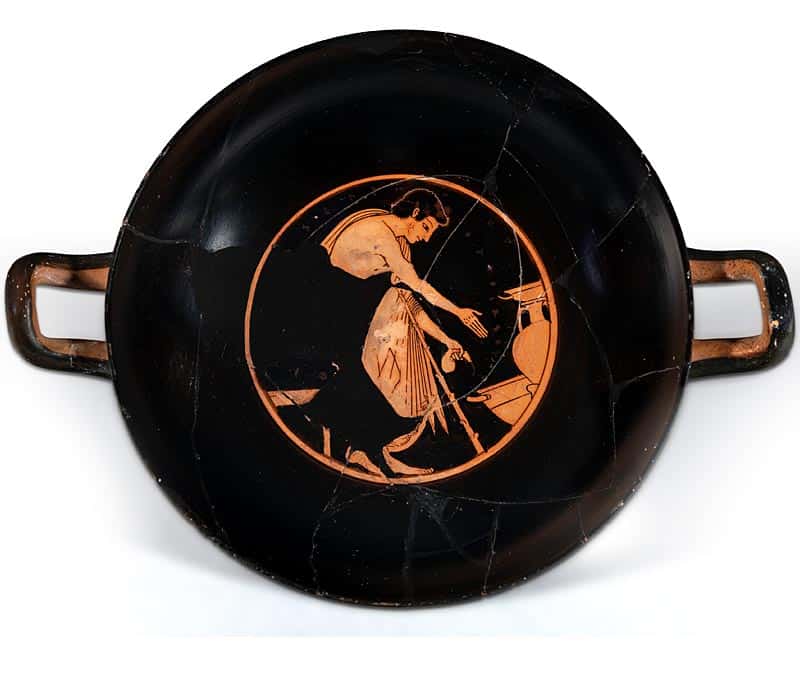
Sanchita Balachandran is associate director of the Johns Hopkins Archaeological Museum and a doctoral student in preservation studies at the University of Delaware. Her research is inspired by questions that arise when you see an object from ages ago. How in the world did they make that? And who made it? Using technology, she’s uncovering hidden clues in ancient Greek ceramics, bringing once-invisible artisans to life and changing our understanding of the past. Pre-pandemic photo by James T. VanRensselaer
[/dica_divi_carouselitem][dica_divi_carouselitem title=”Alexandra “Lexie” Tabachnick” sub_title=”Psychological and Brain Sciences” admin_label=”Alexandra “Lexie” Tabachnick” button_text=”A clinical science approach” button_url=”https://research.udel.edu/2020/12/01/a-clinical-science-approach/” button_url_new_window=”1″ image=”https://research.udel.edu/wp-content/uploads/2020/08/Alexandra-Tabachnick.jpg” image_position=”image_left” tablet_on_top=”on” image_padding_tablet=”||||false|false” image_padding_phone=”||||false|false” image_padding_last_edited=”off|phone” content_padding=”190px|10%||10%|false|false” content_padding_tablet=”50px|50px|50px|50px|false|false” content_padding_phone=”30px|25px|25px|25px|false|false” content_padding_last_edited=”on|desktop” custom_padding_tablet=”||||false|false” custom_padding_phone=”||||false|false” custom_padding_last_edited=”off|desktop” _builder_version=”4.19.0″ _module_preset=”default” header_level=”h2″ header_font=”Vanguard Medium|||on|||||” header_text_align=”center” header_font_size=”67px” subtitle_font=”Greycliff|||on|||||” subtitle_text_align=”center” subtitle_font_size=”24px” body_font_size=”17px” body_line_height=”1.4em” background_color=”#ffffff” background_enable_color=”on” custom_button=”on” button_text_size=”20px” button_text_color=”#ffffff” button_border_width=”1px” button_border_radius=”30px” button_font=”||||||||” button_use_icon=”on” button_icon=”%%20%%” button_alignment=”center” header_font_size_tablet=”” header_font_size_phone=”49px” header_font_size_last_edited=”on|phone” header_letter_spacing_tablet=”” header_letter_spacing_phone=”-1px” header_letter_spacing_last_edited=”on|phone” subtitle_font_size_tablet=”22px” subtitle_font_size_phone=”16px” subtitle_font_size_last_edited=”on|phone” body_font_size_tablet=”” body_font_size_phone=”15px” body_font_size_last_edited=”on|phone” button_text_size_tablet=”” button_text_size_phone=”18px” button_text_size_last_edited=”on|phone” global_colors_info=”{}” custom_css_image_last_edited=”on|phone” custom_css_image_tablet=”margin-top: -100px;||” custom_css_image_phone=”margin-top: 0;”]
Alexandra “Lexie” Tabachnick was born in Philadelphia, the first of three children. Her mother is a preschool teacher, her father is in historic preservation. She earned her bachelor’s degree in psychology at the University of Chicago and her master’s at Villanova University, where she studied risk and resilience in families who were homeless. Pre-pandemic photo by Evan Krape

[/dica_divi_carouselitem][dica_divi_carouselitem title=”Ahad Behboodi” sub_title=”Health Sciences” admin_label=”Ahad Behboodi” button_text=”Helping children move” button_url=”https://research.udel.edu/2020/12/01/helping-children-move/” button_url_new_window=”1″ image=”https://research.udel.edu/wp-content/uploads/2020/08/Ahad-Behboodi-2.jpg” image_position=”image_left” tablet_on_top=”on” image_padding_tablet=”||||false|false” image_padding_phone=”||||false|false” image_padding_last_edited=”off|phone” content_padding=”190px|10%||10%|false|false” content_padding_tablet=”50px|50px|50px|50px|false|false” content_padding_phone=”30px|25px|25px|25px|false|false” content_padding_last_edited=”on|desktop” custom_padding_tablet=”||||false|false” custom_padding_phone=”||||false|false” custom_padding_last_edited=”off|desktop” _builder_version=”4.19.0″ _module_preset=”default” header_level=”h2″ header_font=”Vanguard Medium|||on|||||” header_text_align=”center” header_font_size=”67px” subtitle_font=”Greycliff|||on|||||” subtitle_text_align=”center” subtitle_font_size=”24px” body_font_size=”17px” body_line_height=”1.4em” background_color=”#ffffff” background_enable_color=”on” custom_button=”on” button_text_size=”20px” button_text_color=”#ffffff” button_border_width=”1px” button_border_radius=”30px” button_font=”||||||||” button_use_icon=”on” button_icon=”%%20%%” button_alignment=”center” header_font_size_tablet=”” header_font_size_phone=”49px” header_font_size_last_edited=”on|phone” header_letter_spacing_tablet=”” header_letter_spacing_phone=”-1px” header_letter_spacing_last_edited=”on|phone” subtitle_font_size_tablet=”22px” subtitle_font_size_phone=”16px” subtitle_font_size_last_edited=”on|phone” body_font_size_tablet=”” body_font_size_phone=”15px” body_font_size_last_edited=”on|phone” button_text_size_tablet=”” button_text_size_phone=”18px” button_text_size_last_edited=”on|phone” global_colors_info=”{}” custom_css_image_last_edited=”on|phone” custom_css_image_tablet=”margin-top: -100px;||” custom_css_image_phone=”margin-top: 0;”]
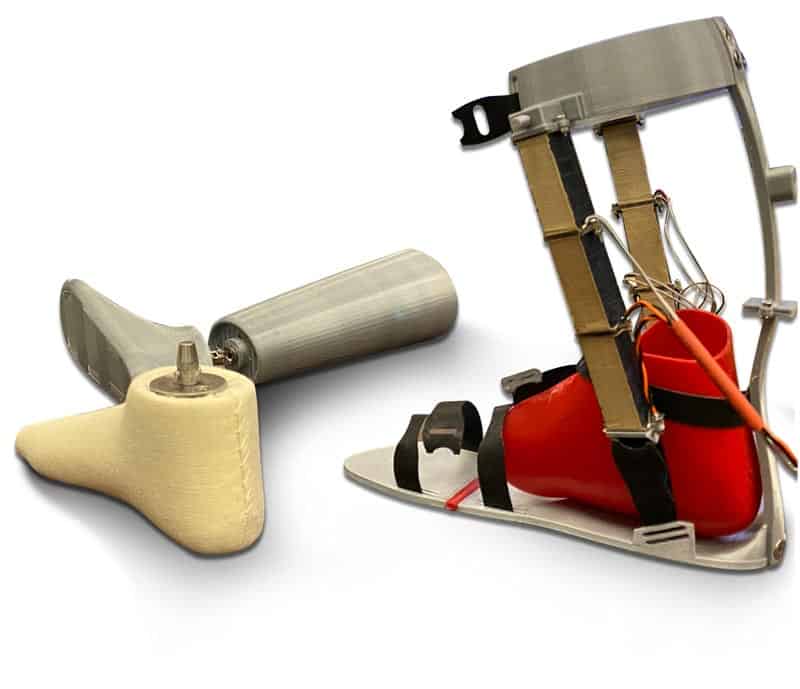
Ahad Behboodi is a postdoctoral fellow with the University of Delaware’s Horn Entrepreneurship program. Behboodi is leading work to commercialize a promising robotic ankle brace for children with cerebral palsy, which grew out of his UD doctoral work with Samuel Lee, an associate professor in the College of Health Sciences. Behboodi earned his doctoral degree in biomechanics and movement science at UD in 2019. Pre-pandemic photo by Evan Krape
[/dica_divi_carouselitem][dica_divi_carouselitem title=”Nefetaria Yates” sub_title=”Education Research” admin_label=”Nefetaria Yates” button_text=”Developing resilient Black girls” button_url=”https://research.udel.edu/2020/12/01/developing-resilient-black-girls/” button_url_new_window=”1″ image=”https://research.udel.edu/wp-content/uploads/2020/08/Yates.jpg” image_position=”image_left” tablet_on_top=”on” image_padding_tablet=”||||false|false” image_padding_phone=”||||false|false” image_padding_last_edited=”off|phone” content_padding=”190px|10%||10%|false|false” content_padding_tablet=”50px|50px|50px|50px|false|false” content_padding_phone=”30px|25px|25px|25px|false|false” content_padding_last_edited=”on|desktop” custom_padding_tablet=”||||false|false” custom_padding_phone=”||||false|false” custom_padding_last_edited=”off|desktop” _builder_version=”4.19.0″ _module_preset=”default” header_level=”h2″ header_font=”Vanguard Medium|||on|||||” header_text_align=”center” header_font_size=”67px” subtitle_font=”Greycliff|||on|||||” subtitle_text_align=”center” subtitle_font_size=”24px” body_font_size=”17px” body_line_height=”1.4em” background_color=”#ffffff” background_enable_color=”on” custom_button=”on” button_text_size=”20px” button_text_color=”#ffffff” button_border_width=”1px” button_border_radius=”30px” button_font=”||||||||” button_use_icon=”on” button_icon=”%%20%%” button_alignment=”center” header_font_size_tablet=”” header_font_size_phone=”49px” header_font_size_last_edited=”on|phone” header_letter_spacing_tablet=”” header_letter_spacing_phone=”-1px” header_letter_spacing_last_edited=”on|phone” subtitle_font_size_tablet=”22px” subtitle_font_size_phone=”16px” subtitle_font_size_last_edited=”on|phone” body_font_size_tablet=”” body_font_size_phone=”15px” body_font_size_last_edited=”on|phone” button_text_size_tablet=”” button_text_size_phone=”18px” button_text_size_last_edited=”on|phone” global_colors_info=”{}” custom_css_image_last_edited=”on|phone” custom_css_image_tablet=”margin-top: -100px;||” custom_css_image_phone=”margin-top: 0;”]
Nefetaria Yates is working on a Ph.D. in education. She previously received her bachelor’s degree in at UD, with a concentration in culture and Africana studies. Then she got her master’s in educational foundations from Widener University, with a certificate in educational leadership. She is doing research on identity development, resilience and agency for youth in pan-African communities. Specifically, her work focuses on Black girls’ experiences in formal learning contexts like traditional classrooms, as well as informal spaces, such as after-school programs. Pre-pandemic photo by Kathy Atkinson
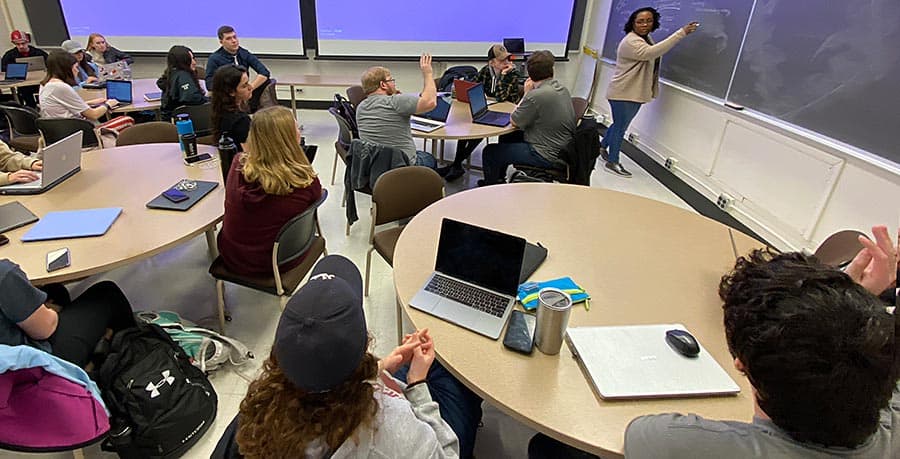
Doctoral student Nefetaria Yates teaches a Diversity in Secondary Education class for pre-service teachers at UD.
[/dica_divi_carouselitem][dica_divi_carouselitem title=”Pablo McConnie-Saad” sub_title=”Public Policy Research” admin_label=”Pablo McConnie-Saad” button_text=”Strengthening democracy for a better world” button_url=”https://research.udel.edu/2020/12/01/strengthening-democracy/” button_url_new_window=”1″ image=”https://research.udel.edu/wp-content/uploads/2020/08/Pablo.jpg” image_position=”image_left” tablet_on_top=”on” image_padding_tablet=”||||false|false” image_padding_phone=”||||false|false” image_padding_last_edited=”off|phone” content_padding=”190px|10%||10%|false|false” content_padding_tablet=”50px|50px|50px|50px|false|false” content_padding_phone=”30px|25px|25px|25px|false|false” content_padding_last_edited=”on|desktop” custom_padding_tablet=”||||false|false” custom_padding_phone=”||||false|false” custom_padding_last_edited=”off|desktop” _builder_version=”4.19.0″ _module_preset=”default” header_level=”h2″ header_font=”Vanguard Medium|||on|||||” header_text_align=”center” header_font_size=”67px” subtitle_font=”Greycliff|||on|||||” subtitle_text_align=”center” subtitle_font_size=”24px” body_font_size=”17px” body_line_height=”1.4em” background_color=”#ffffff” background_enable_color=”on” custom_button=”on” button_text_size=”20px” button_text_color=”#ffffff” button_border_width=”1px” button_border_radius=”30px” button_font=”||||||||” button_use_icon=”on” button_icon=”%%20%%” button_alignment=”center” header_font_size_tablet=”” header_font_size_phone=”49px” header_font_size_last_edited=”on|phone” header_letter_spacing_tablet=”” header_letter_spacing_phone=”-1px” header_letter_spacing_last_edited=”on|phone” subtitle_font_size_tablet=”22px” subtitle_font_size_phone=”16px” subtitle_font_size_last_edited=”on|phone” body_font_size_tablet=”” body_font_size_phone=”15px” body_font_size_last_edited=”on|phone” button_text_size_tablet=”” button_text_size_phone=”18px” button_text_size_last_edited=”on|phone” global_colors_info=”{}” custom_css_image_last_edited=”on|phone” custom_css_image_tablet=”margin-top: -100px;||” custom_css_image_phone=”margin-top: 0;”]
Pablo McConnie-Saad, Whittington Graduate Fellow, received his master’s in public administration at UD and is working on a doctoral degree in urban affairs and public policy. He has been a legislative fellow, serving as primary staffer for the state House Revenue and Finance Committee and the Economic Development, Banking, Insurance and Commerce Committee. In his current role, he has written for the Biden Blog on topics such as “The Challenge of Our Time.” Pre-pandemic photo by Evan Krape

[/dica_divi_carouselitem][/dica_divi_carousel]
MORE STORIES
From the Vice President for Research, Scholarship and Innovation: Moving Forward
The UD research community continues to navigate COVID-19, with health and safety the highest priority. In spite of hardships, we’re facing the pandemic with vigilance and resilience.

News Briefs
Check out our COVID-19 research, a virtual visit with the editor-in-chief of Science, and undergrads at work on the Frontiers of Discovery.

Honors: Celebrating Excellence
UD faculty and students have won major recognition for their expertise and contributions.
Front Edge of Discovery: Strengthening democracy for a better world
It all began with a Joseph Conrad novel. Doctoral student Pablo McConnie-Saad discusses his journey to better understand democracy, as the first Whittington Graduate Fellow at the Biden Institute.
Front Edge of Discovery: Developing resilient Black girls
Doctoral student and Graduate Scholar Nefetaria Yates is examining school discipline and the tactics Black girls have developed for dealing with the pressures they face. Her ultimate goal is to elevate voices that have been silenced.
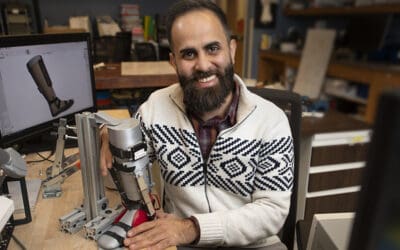
Front Edge of Discovery: Helping children move
Entrepreneur Ahad Behboodi wants to see kids with cerebral palsy move more freely. He plans to commercialize a robotic foot device with the power to help them.
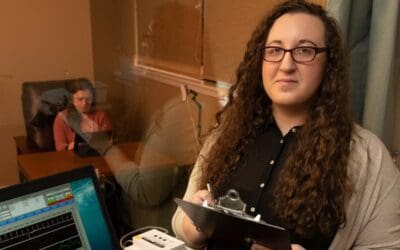
Front Edge of Discovery: A clinical science approach
Lexie Tabachnick, in her fifth year of doctoral studies, helps to mentor other grad students and undergraduates while she studies the powerful impact a UD-developed family intervention program is having on vulnerable kids.
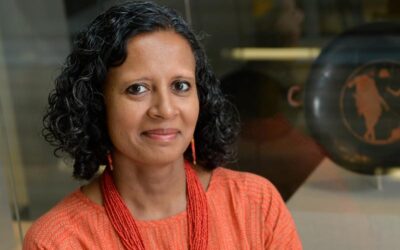
Front Edge of Discovery: Beyond the hands of a potter
Sanchita Balachandran, associate director of Johns Hopkins Archaeological Museum and doctoral student in preservation studies at UD, is uncovering the forgotten makers of ancient Greek ceramics, and in so doing, changing our understanding of the past.
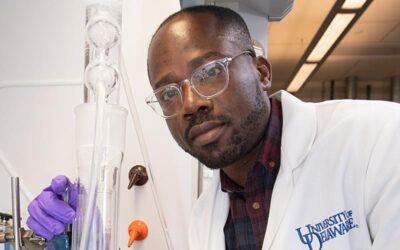
Front Edge of Discovery: Changing the world, one food waste at a time
Elvis Ebikade thinks potato peels hold a lot of promise. He’s working on converting the food waste to valuable chemicals and fuels that can power an environmentally-friendly future.
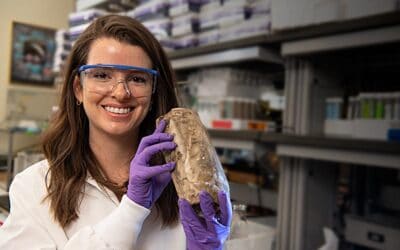
Front Edge of Discovery: The thing about permafrost is…
As a postdoctoral researcher, Liz Coward collected samples of permafrost from the icy walls of a research tunnel in Alaska to study the carbon stored within it.
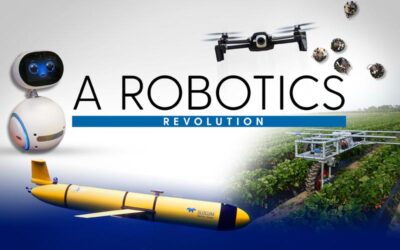
A Robotics Revolution
Researchers at the University of Delaware are leveraging robotic systems to gain traction on tough problems. Learn how they are driving forward transformative solutions in agriculture, precision medicine, health care, cybersecurity, marine ecology and more.
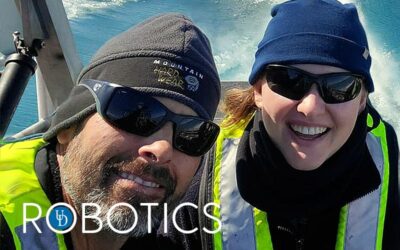
UD Robotics: Antarctic food webs
University of Delaware researchers Matthew Oliver and Katherine Hudson think that some biological hotspots in Antarctica may operate less like local farms and more like grocery stores. If they are correct, it could provide new information about how this ecosystem will be affected under climate change.
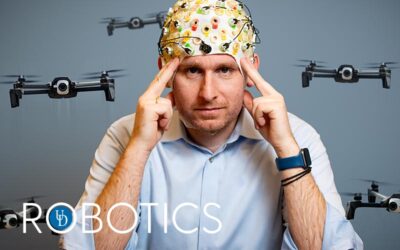
UD Robotics: Robots these days!
Brain-swarm technology is meant to connect minds and machines. For Associate Professor Panos Artemiadis such robotics research has one purpose: To make life and work better for humans.
UD Robotics: Meet me on the cutting edge
Sambeeta Das is forging into an exciting world you can see only with high-powered microscopes, where sci-fi meets reality. Welcome to the world of microrobots!

UD Robotics: Allies in Overcoming Stroke
Stroke is a leading cause of long-term disability, but UD Professor Jennifer Semrau is working to change that. With the help of a robot, she’s uncovering a critical sixth sense that gets sidelined with stroke.
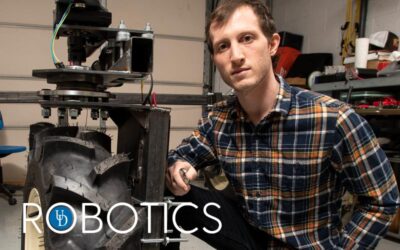
UD Robotics: Startup with Roots
Adam Stager is working on chemical-free ways to help strawberry farmers improve yield using an autonomous field robot.
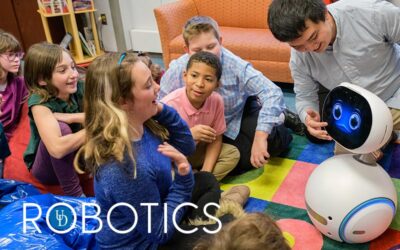
UD Robotics: Social Robots
Children have grown up with interactive technologies like Siri, Google and Alexa, but they don’t always know how to stay safe online. UD researchers are working on ways to help them.
A Jewish Oral History
A class helps preserve the precious stories of a little-documented time in Jewish life.

Test Your Knowledge: Getting Back to Nature
To reduce stress and strengthen our immune systems, experts often point us to the outdoors. So let’s get moving! There’s lots to see and hear, absorb and appreciate in nature.