
 Research & Discovery
A Blog Devoted to UD Innovation, Excellence and Scholarship

Research & Discovery
A Blog Devoted to UD Innovation, Excellence and Scholarship
Gene therapy for blood disorders
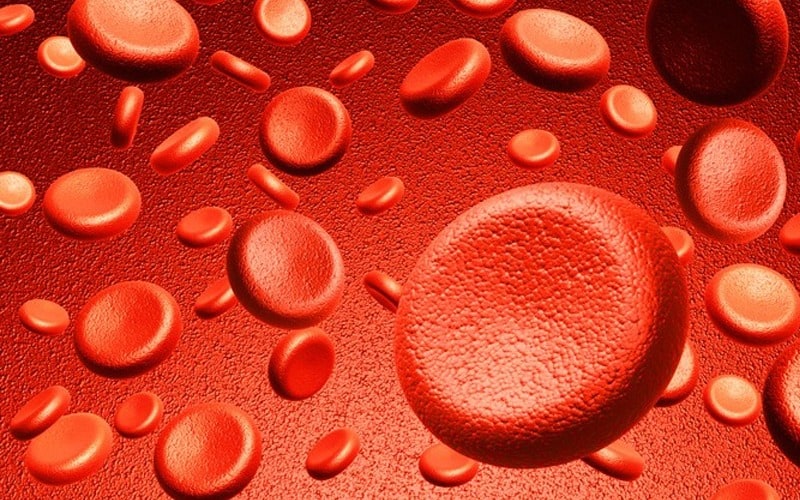
ABOVE: A team of University of Delaware researchers has demonstrated a major step forward in gene therapy by engineering microparticles that deliver gene-regulating material to hematopoietic stem and progenitor cells, which live deep in our bone marrow and direct the formation of blood cells. | Photo by iStock
UD engineers develop particles to reach stem cells
Gene therapy holds a lot of promise in medicine. If we could safely alter our own DNA, we might eliminate diseases our ancestors passed down to us.
Now, a team of University of Delaware researchers has demonstrated a major step forward in gene therapy by engineering microparticles that deliver gene-regulating material to hematopoietic stem and progenitor cells, which live deep in our bone marrow and direct the formation of blood cells. In a paper published in the journal Science Advances, Chen-Yuan Kao, a doctoral student in chemical engineering, and Eleftherios T. (Terry) Papoutsakis, Unidel Eugene du Pont Chair of Chemical and Biomolecular Engineering, describe how they used megakaryocytic microparticles, which circulate naturally in the blood stream, to deliver plasmid DNAs and small RNAs to hematopoietic stem cells.
With more development, this technology could be useful in treatment for inherited blood disorders that affect thousands of Americans. These include, for example, sickle cell anemia, a disease that causes abnormally shaped red blood cells, and thalassemia, which disrupts the production of the blood protein hemoglobin.
UD Research on Twitter