

 Research & Discovery
A Blog Devoted to UD Innovation, Excellence and Scholarship

Research & Discovery
A Blog Devoted to UD Innovation, Excellence and Scholarship
Water in a changing coastal environment
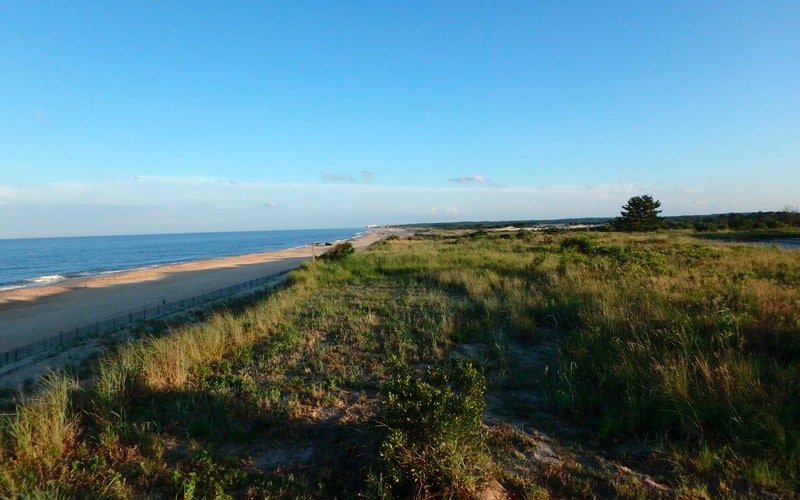
ABOVE: A view of the coast near Lewes, Delaware. | Photos by Doug White, Kathy F. Atkinson and Evan Krape
National Science Foundation awards $19.2 million to statewide EPSCoR consortium
An estimated 40 percent of the world’s population resides within roughly 60 miles of a coast. Delaware has a rich coastal environment with 381 miles of tidal shoreline, including 24 miles of ocean coastline and approximately 90,000 acres of tidal wetlands.
Coastal regions throughout the world have entered a critical period when multiple pressures threaten water security, which the United Nations defines as society’s capacity to safeguard adequate, sustainable quantities of high-quality water.
A new five-year, $19.2 million Research Infrastructure Improvement (RII) grant from the National Science Foundation’s Established Program to Stimulate Competitive Research (EPSCoR) will help Delaware develop solutions to water issues related to human, economic and ecosystem health. In addition to the federal award, the state of Delaware has committed $3.8 million in support of this initiative.
UD Research on Twitter